

Editor’s Note: This story is part of the series "Entrepreneurship: Square One and Beyond," a Next Avenue initiative made possible by the Richard M. Schulze Family Foundation and EIX, the Entrepreneur Innovation Exchange
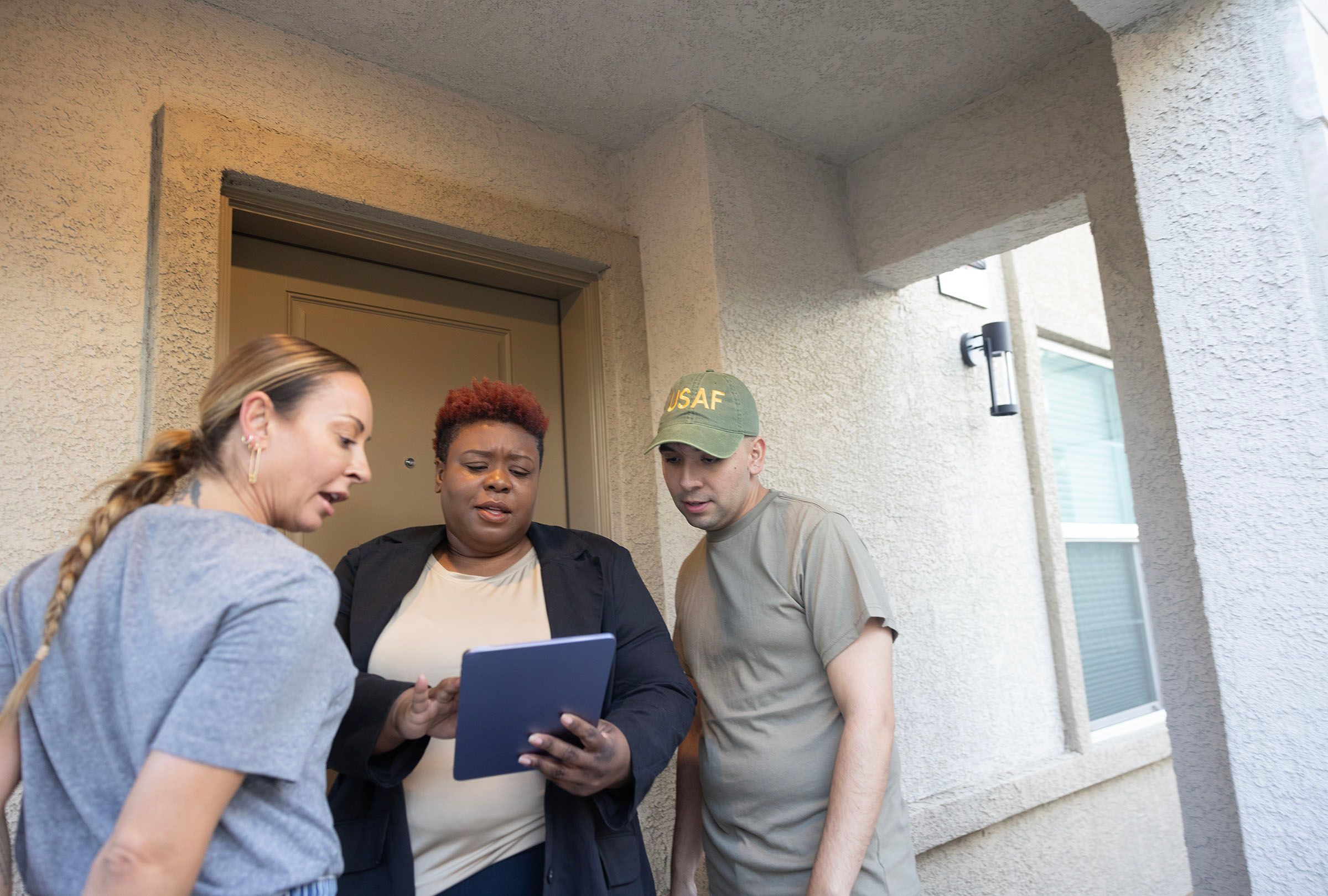
Jacqueline Gathers’ husband, Joseph, a military veteran and HR professional, bought a Pillar To Post Home Inspectors franchise in Brooklyn to keep himself busy in retirement. Shortly after, he was diagnosed with cancer. Treatment went well, but just before launching the franchise, the cancer returned, and Joseph passed away.
Gathers, despite years working as a New York City Housing Authority executive, knew nothing about the home inspection industry. “This was going to be his thing,” she says. “I thought about selling [the franchise] back. But he worked really hard to get it up and running, so I decided to continue the business in his honor.”
For some entrepreneurs, starting a business later in life grows directly out of personal upheaval, whether it’s grief, a health scare, or a major life reset. For Gathers and others like her, those challenges ultimately became catalysts for personal growth—and successful companies.
Nine years after Joseph’s death, the Pillar To Post franchise Gathers kept, and now runs with her son is thriving. “My motivation was to create a legacy in honor of my husband,” says Gathers, 65. “It kept me busy and helped me manage my grief. I know he would have been very happy about it. I didn’t want my grief to be my story. I wanted another story.”
Building a Legacy From Loss
Gathers’ first steps to continuing the business included a two-week Pillar To Post training in Canada, then returning to school to earn her home inspection license.
“I took skills I’d learned from the Housing Authority, and I put one foot in front of the other and got my training,” she says. “My ‘why’ was so powerful that failing wasn’t an option. I knew that if I kept at it and persevered, I was going to be successful.”
She visited realtors’ offices in Brooklyn and offered her home inspection services. “It was difficult because most home inspectors didn’t look like me,” says Gathers, who is a Black woman in a traditionally male-dominated industry.
Business began to pick up when she started to target a wider swath of Brooklyn neighborhoods. “I became known as that lady inspector in Brooklyn,” she says, “and eventually the business started to grow.”
Gathers hired her son to work with her part time and later another inspector. Now she covers all five boroughs. She added an educational component to her business, too, teaching home inspection lessons to first-time buyers, many in underserved communities, and to real estate teams. She invests money earned into the business.
A major lesson from her journey into entrepreneurship has been the importance of being passionate about the work. “I learned along the way that money cannot be your motivator as an entrepreneur later in life,” she says. “Because if the money doesn’t come, then you no longer have that motivation.”
Turning an Aha Moment Into a Business
For Tim Vogel, 55, filling in for a groomer who called in sick to the small mobile dog grooming business he owned in Florida ended up sparking a new business idea that changed the course of his entrepreneurial career.
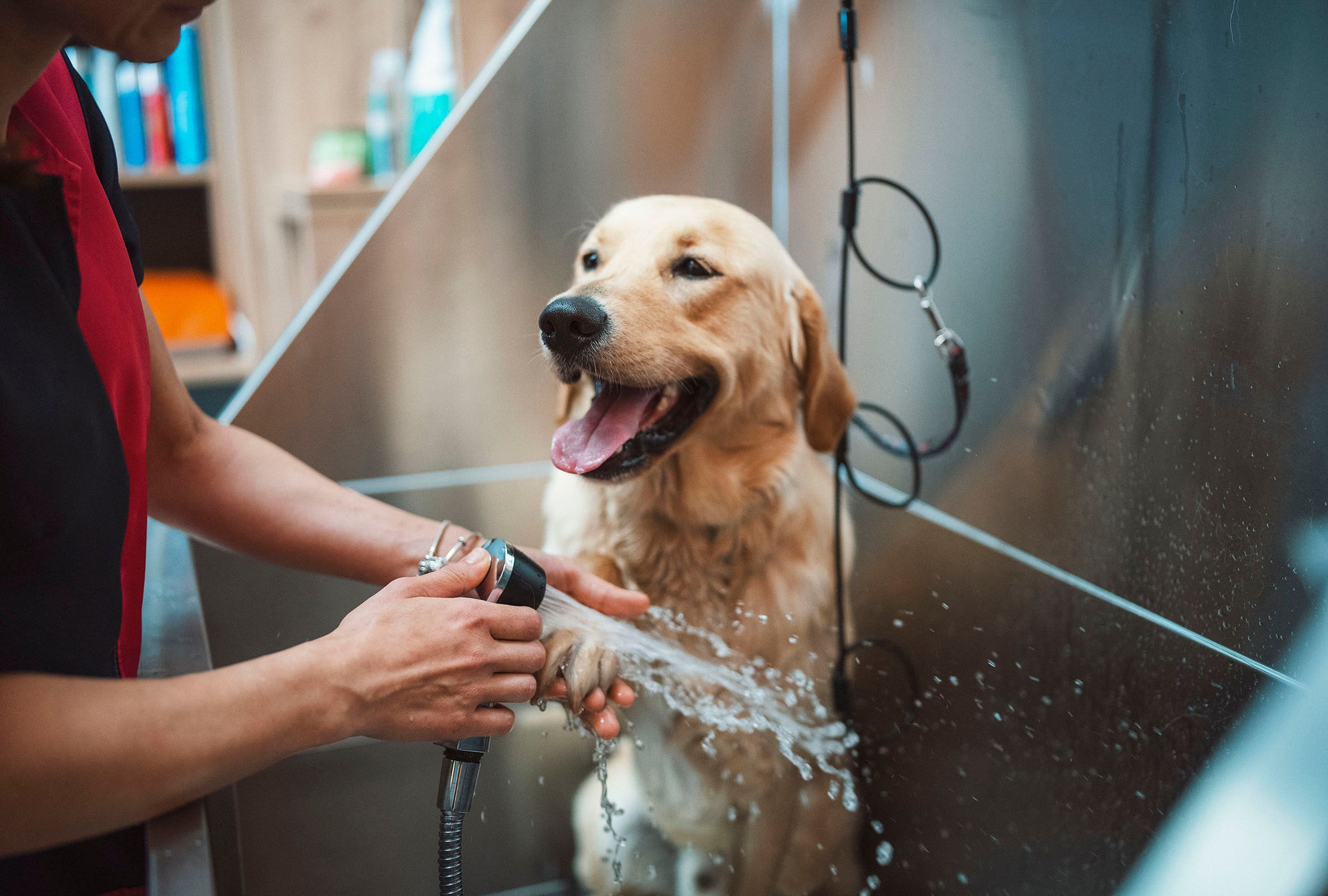
As Vogel blow-dried a golden retriever named Tucker, he noticed a leopard-like pattern on the dog’s skin. The dog’s owner took Tucker to the vet right away where they discovered he had an advanced staph infection. Without a medical intervention, Tucker would have died within days.
The experience left Vogel thinking that staying healthy requires more than a haircut and a nail trim. Then, while walking his own dog, struck up conversation with a neighbor who said he’d use Vogel’s grooming services if his dog needed them. The dog’s nails were overgrown and Vogel could tell it had an ear infection.
“Clearly he loved his dog, but because the dog didn’t need a haircut, grooming wasn’t even in his paradigm,” Vogel says. “That was an aha moment for me. Most dogs are not getting basic hygiene and maintenance because they don’t need a haircut. You need to do basic routine wellness care, like caring for their teeth to help them live longer.”
Vogel launched Scenthound, a dog wellness business focused on affordable preventative routine wellness care for canines, including on their skin, coat, ears, nails and teeth. A basic hygiene service includes a bath, teeth brushing, ear cleaning, and nail clipping and Scenthound provides owners a health report card. Service add-ons include plaque removal and haircuts, and the business partners with veterinarians as well.
Vogel started off with five corporate locations, then launched the franchise opportunity in 2020. Today, Scenthound has 168 locations open across 36 states with dozens more on the way.
Along the way, working with business coaches has been essential to his success, he says. So has approaching his work from a mindset of service.
“One coach gave me a great quote, that ‘contribution is the cure to all anxiety,’” Vogel says. “When you start from a place of ‘how can I make a positive impact on employees’ lives, on dogs’ lives,’ that is the path to scale and grow. It’s about doing something positive in the world. It takes you from a scarcity mindset to an abundance mindset.”
Turning Heartbreak Into Connection
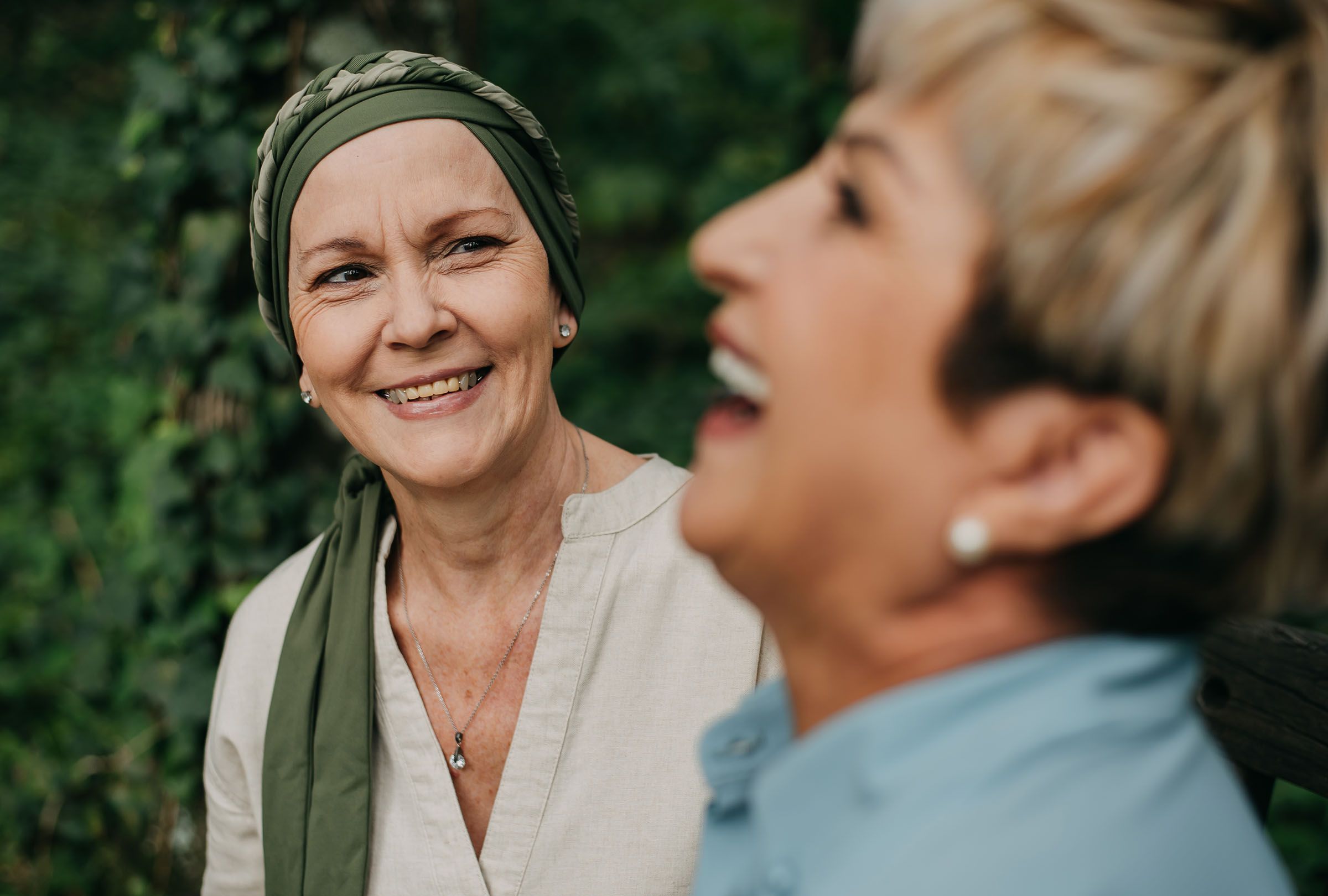
Over more than 30 years as an oncology social worker, Christina Merrill, 64, saw firsthand how cancer patients’ emotional needs could go unmet. During COVID, after going through a divorce, she found herself on the Bumble app and realized that the same matching technology could be used to connect people navigating cancer.
“It’s very difficult for patients to meet another patient in the hospital who’s going through something similar because of HIPAA regulations,” says Merrill. “Nurses and doctors are at capacity and are working on the medical piece, not so much on the emotional piece, which can include anxiety, depression and isolation.”
After extensive testing with patients and survivors, Merrill launched CancerBuddy, a peer support app that connects cancer patients, survivors and caregivers with peers who share similar diagnoses and experiences. She raised her first $100,000 for the business from an angel investor who worked in the cancer space whom she met through Bumble.
With CancerBuddy, patients meet people with the same diagnosis living in their community or across the country.
“A lot of patients now have this incredible community and support system for the first time,” she says. “Patients have flourished.”
After several years of connecting patients and caregivers virtually, Merrill recently organized the first three-day, in-person CancerBuddy retreat in partnership with the Bone Marrow & Cancer Foundation.
She says that doing work she’s passionate about energizes her, keeps her mind active and keeps her engaged in life.
“It’s been life-changing, it’s been a gift to me,” she says. “I can’t wait to start work every day, and I don’t think retirement will be a word that I ever have in my vocabulary. This is what feeds my soul. I wish I had 50 more years of doing this work.”