

.jpg)
By Kevin Dragseth, Producer at Twin Cities PBS
For several generations, a rite of passage has beckoned many a Twin Citian: Weave oneself into any venue on Minneapolis’ West Bank, procure a beverage of choice, and take in some world-class live music. It’s a ritual that’s harder to execute these days, but the power of that experience is transcendent. The world will never be the same because of this funky little borough with its inexplicable magnetic pull. This is the subject of Twin Cities PBS’ latest history documentary, The Wild West Bank Sound, which premieres at the Minneapolis Saint Paul International Film Festival (MSPIFF) on April 19, broadcasts April 21 on TPT 2 and streams on the PBS App.
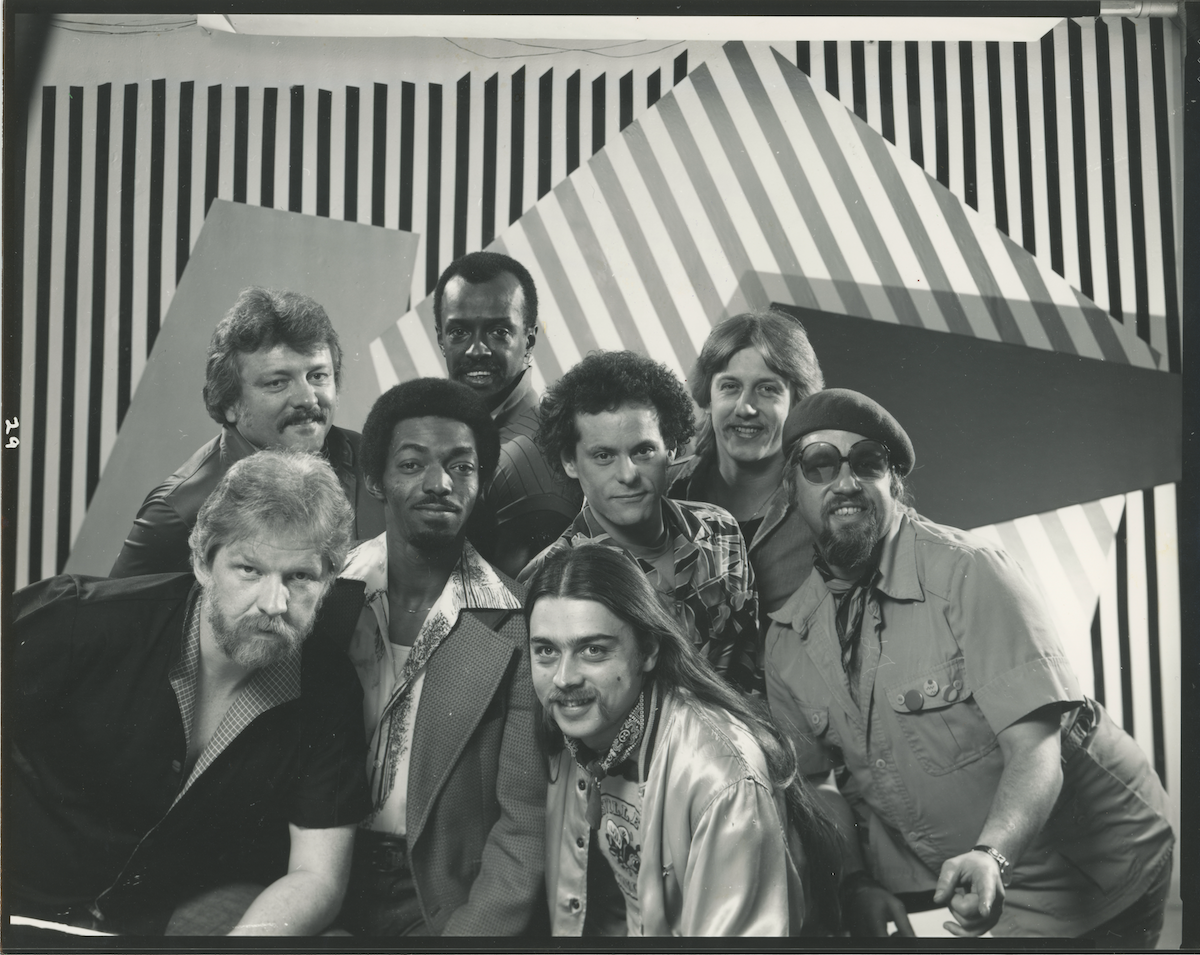
The Wild West Bank Sound takes viewers on a multi-sensory trip through space and time to a tiny corner of Minneapolis that was once an epicenter of the music world. From the early 1960s, this perennial immigrant landing strip proved an irresistible draw for artists from far and wide. This small neighborhood—named for its location on the west bank of the Mississippi River—witnessed more than a century of human migration, from around the world or just across the river in Dinkytown. The result was an ever-evolving cauldron of creativity and cultures, with an emphasis on music but with no limit on genres.
The intercultural nature of the West Bank in this documentary begins with Scandinavian immigrants who populated the area in large numbers before the first World War. This influx of humanity gave the neighborhood its first nickname: Snoose Boulevard, a jab by existing Minneapolitans observing their new neighbors’ love of snus, nasally-ingested tobacco popular in Sweden.
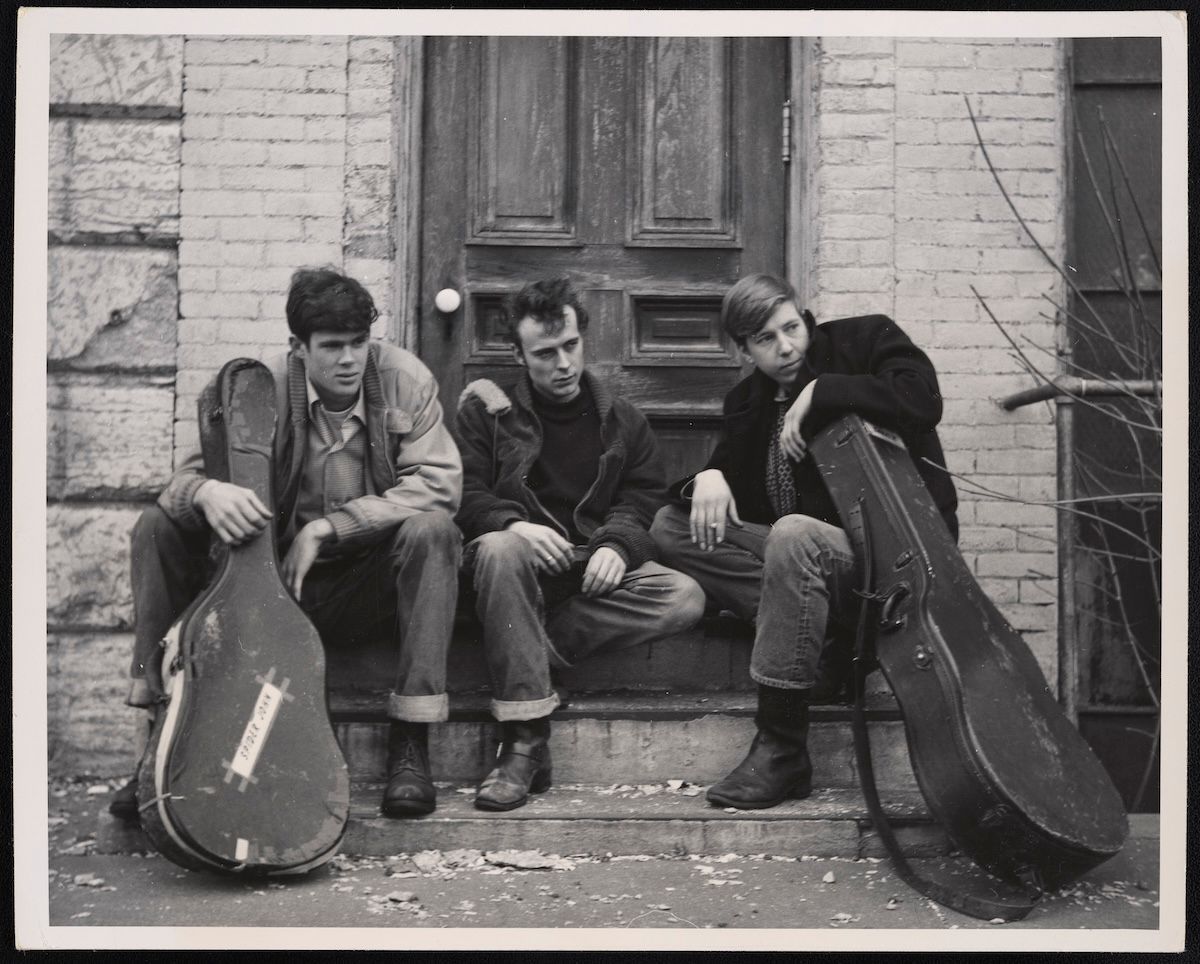
So when a small band of college students -- irked by racial discrimination at a bar across the river -- stumbled onto the West Bank in the early 1960s, they discovered a whole new world. It turns out that the neighborhood’s poverty and population density meant cheap rent, abundant housing, easy access to goods and services, and a powerful sense of belonging. And so another wave of migration began, drawing young people to this gritty utopia.
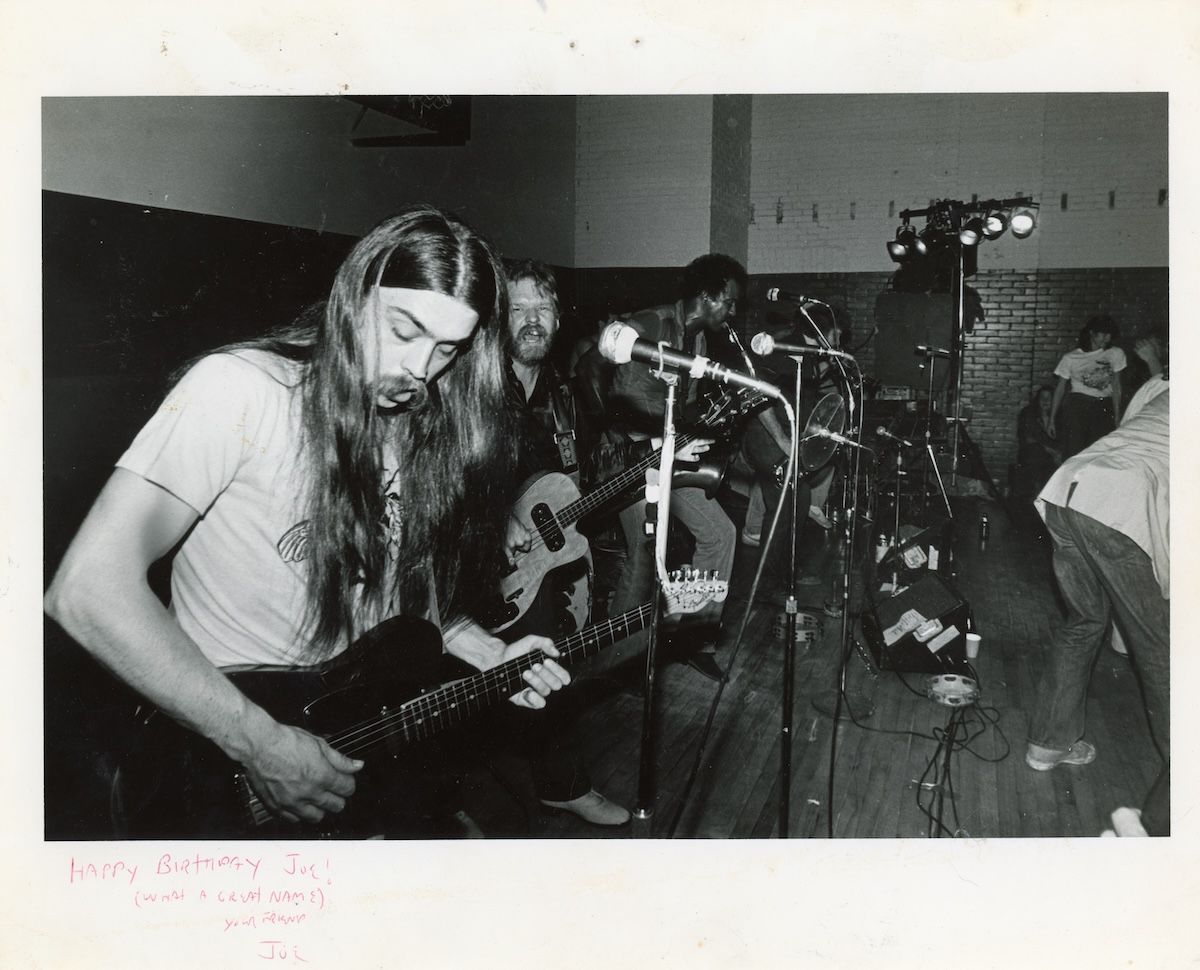
Music was the currency in this place -- folk, blues, jazz, country, R&B, and rock. Waves of musical styles and practitioners washed across the West Bank, lending a diverse soundtrack to the political activism and social engineering at work among its residents. Immigrants from the Caribbean brought music from the African diaspora, further enlarging the soundscape of this tiny borough. The 1980s brought Minneapolis indie rock to the nation, much of it connected to the West Bank.
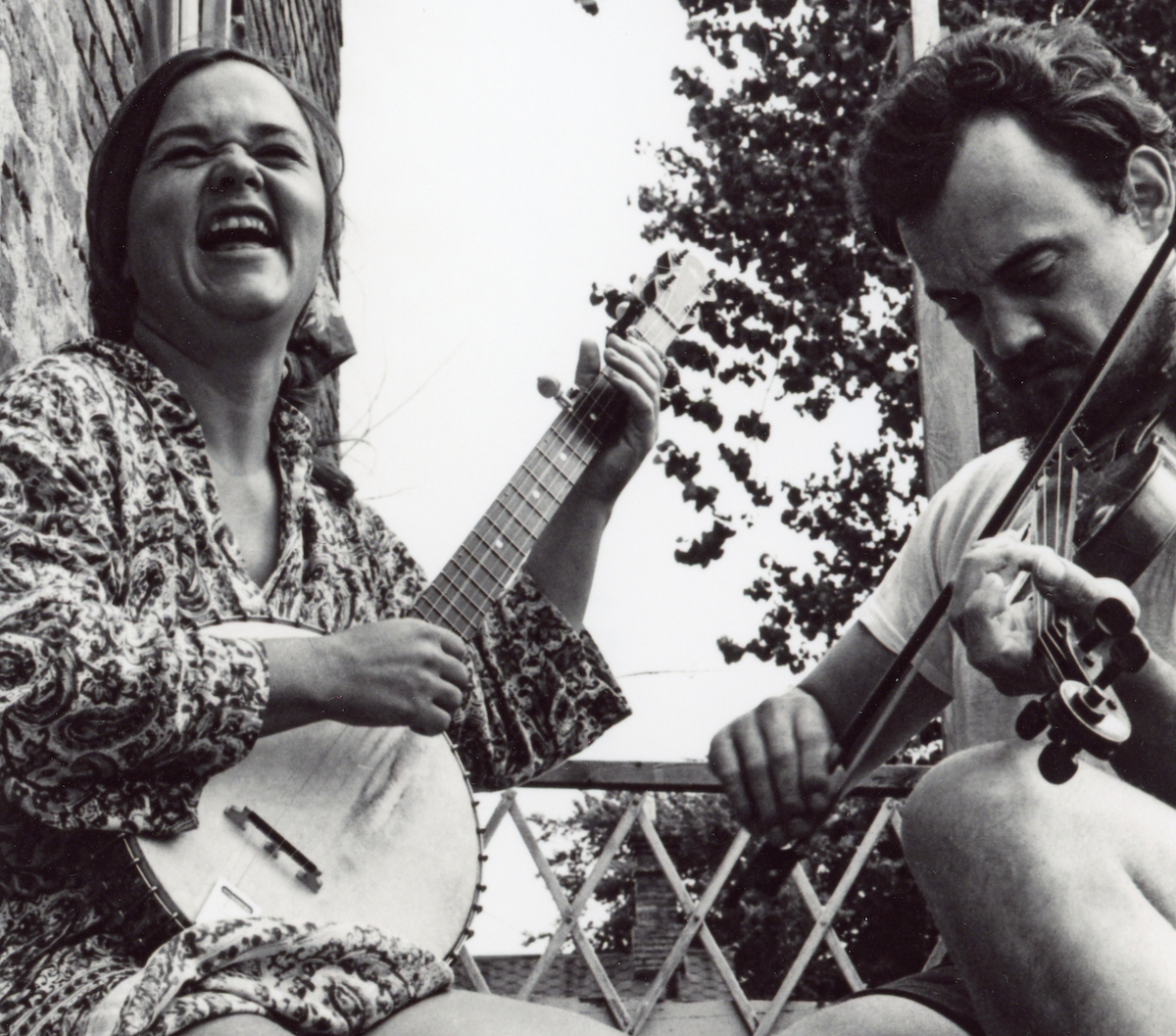
This film is a funky flashback, bursting at the seams with visceral memories, all visualized with rare and rich archival photography, footage, and artistic ephemera. Stories of music and migration unfold in this film, told by an ensemble cast of West Bank icons and mainstays. From household names to forgotten favorites, The Wild West Bank Sound comes alive Tuesday, April 21 at 8 pm on TPT 2 and the PBS App.
We invite you to discover even more Minnesota music history -- check out our collection below.
The Minneapolis Sound
Emily Goldberg's first-person journey through the vibrant Minneapolis music scene of the 80s.
A possibly true story of the legendary Minneapolis nightclub First Avenue. Prince may have made the club famous, but many others have toiled backstage to keep this landmark standing. From the days of Woodstock, through disco, punk, and hip-hop this "pirate ship that goes nowhere" has weathered the storm - just barely.
Minnesota Hardcore is a fast-paced, musical docu-series that examines the punk scene in the Twin Cities from 1980 to 1985. The Minnesota scene was a close-knit community of artists and fans that encouraged culture and spawned huge talents like Hüsker Dü, The Replacements, Soul Asylum, Rifle Sport and more.
Read our Voices Rising blog series to discover new and archived stories that speak up.