

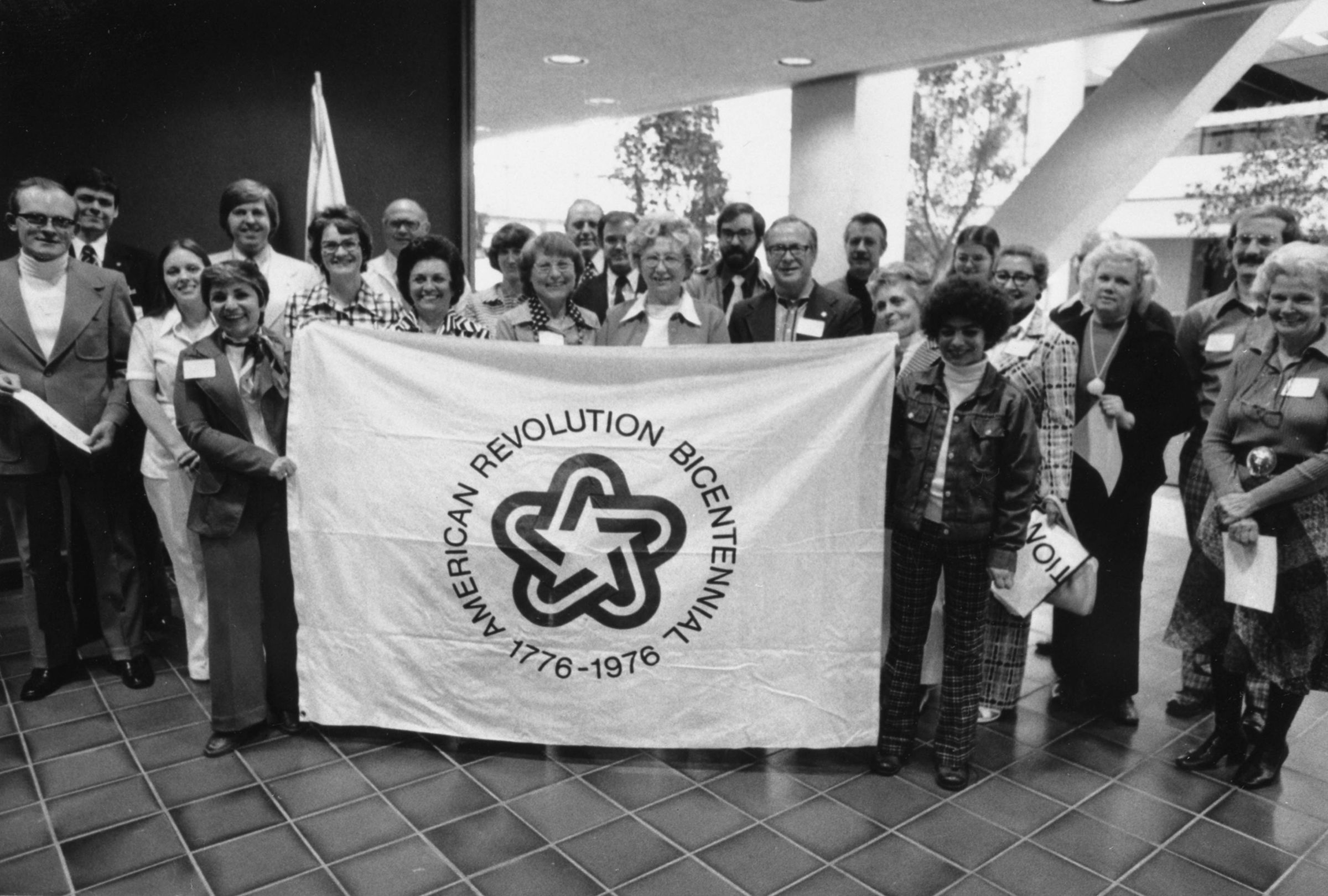
This summer, the United States begins commemorating its 250th anniversary.
Fifty years ago, in 1976, Americans gathered across cities and states to celebrate the 200th anniversary of our nation. For those who lived through it, hearing “the Bicentennial” may bring back memories of parades, fireworks, and endless streams of red, white, and blue everything.
For those who didn’t — and if you’re anything like me — “the Bicentennial” might not mean much at all.
During my time at Twin Cities PBS, I’ve had the opportunity to explore stories that highlight diverse communities and unique perspectives. Most recently, I worked on stories about neighborhood music scenes featured in The Wild West Bank Sound — stories that unfolded long before I moved to Minneapolis for college – or was even born.
I’m no stranger to diving into historical voices and uncovering overlooked moments from the past.
But no era has left me as confounded as the Summer of ’76.
In fact, when I first learned about this film, I looked at my coworkers in disbelief and asked, “We did what to celebrate the Fourth of July?”
Premiering June 29 on TPT 2 and streaming on the PBS App, Summer of ’76 is a vivid time capsule of a remarkable moment in Minnesota history, when communities across the state joined the nation in celebrating the Bicentennial while reflecting on what America meant at 200 years old.
From the Twin Cities to the North Shore and the rural towns in between, the film brings these stories to life through vibrant archival footage, photographs, and firsthand accounts from the people who lived them.
After working on this project for nearly a year, my initial questions — “Why did we do this?” and “Was this seriously real?”— gave way to admiration for the countless individuals who worked tirelessly to bring their communities together. Their goal wasn’t simply to celebrate the nation's past, but to reflect on where we had been, where we were, and how we might build a better future.
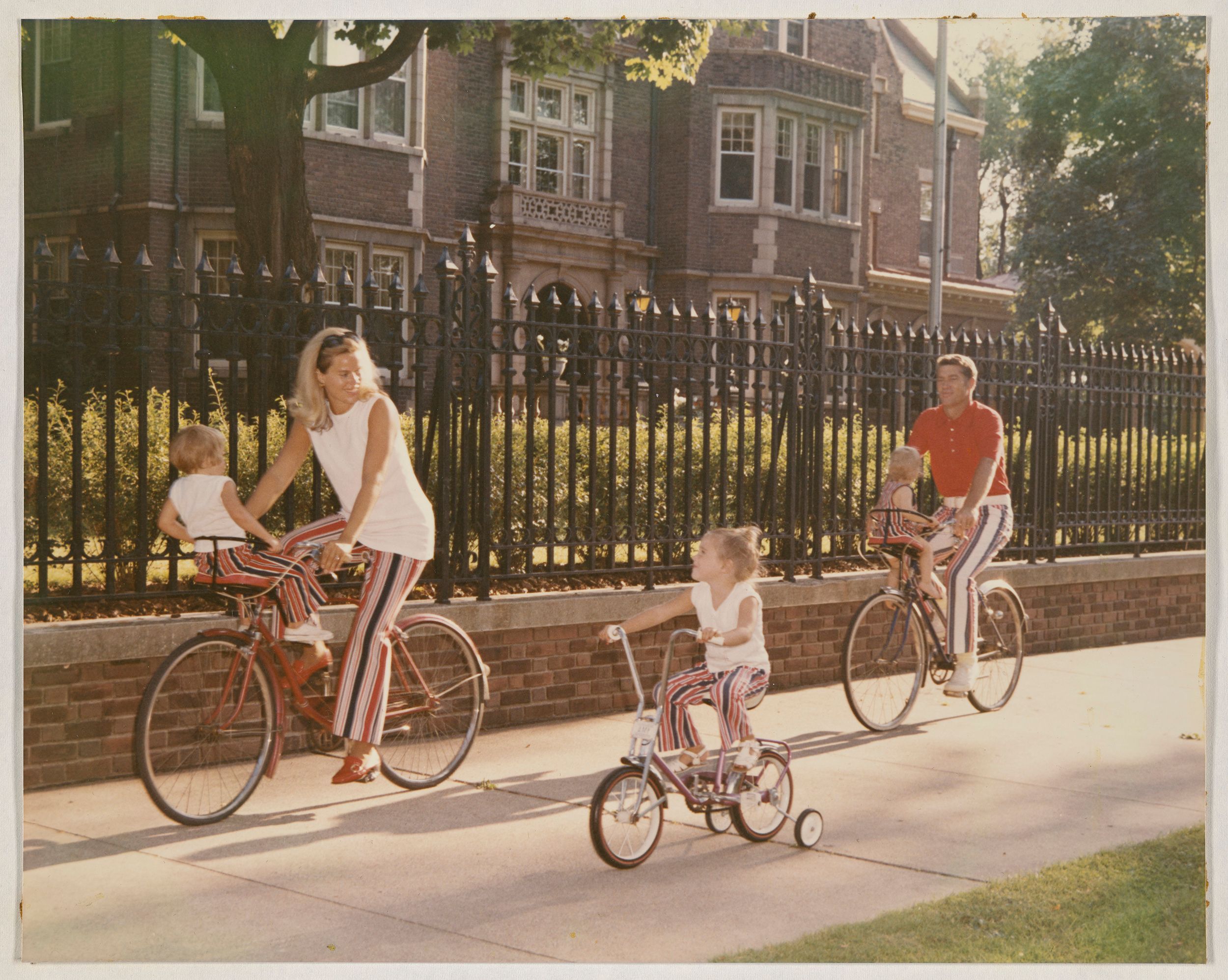
The Bicentennial took place 28 years before I was born, but I understand the importance of community. As I worked on this project, I found myself connecting with the grassroots organizers who wanted their towns and neighbors reflected in the festivities. I also understood those who saw the Bicentennial as an opportunity to heal and come together after years of national turmoil and division.
What surprised me most was how relevant many of those conversations still feel today.
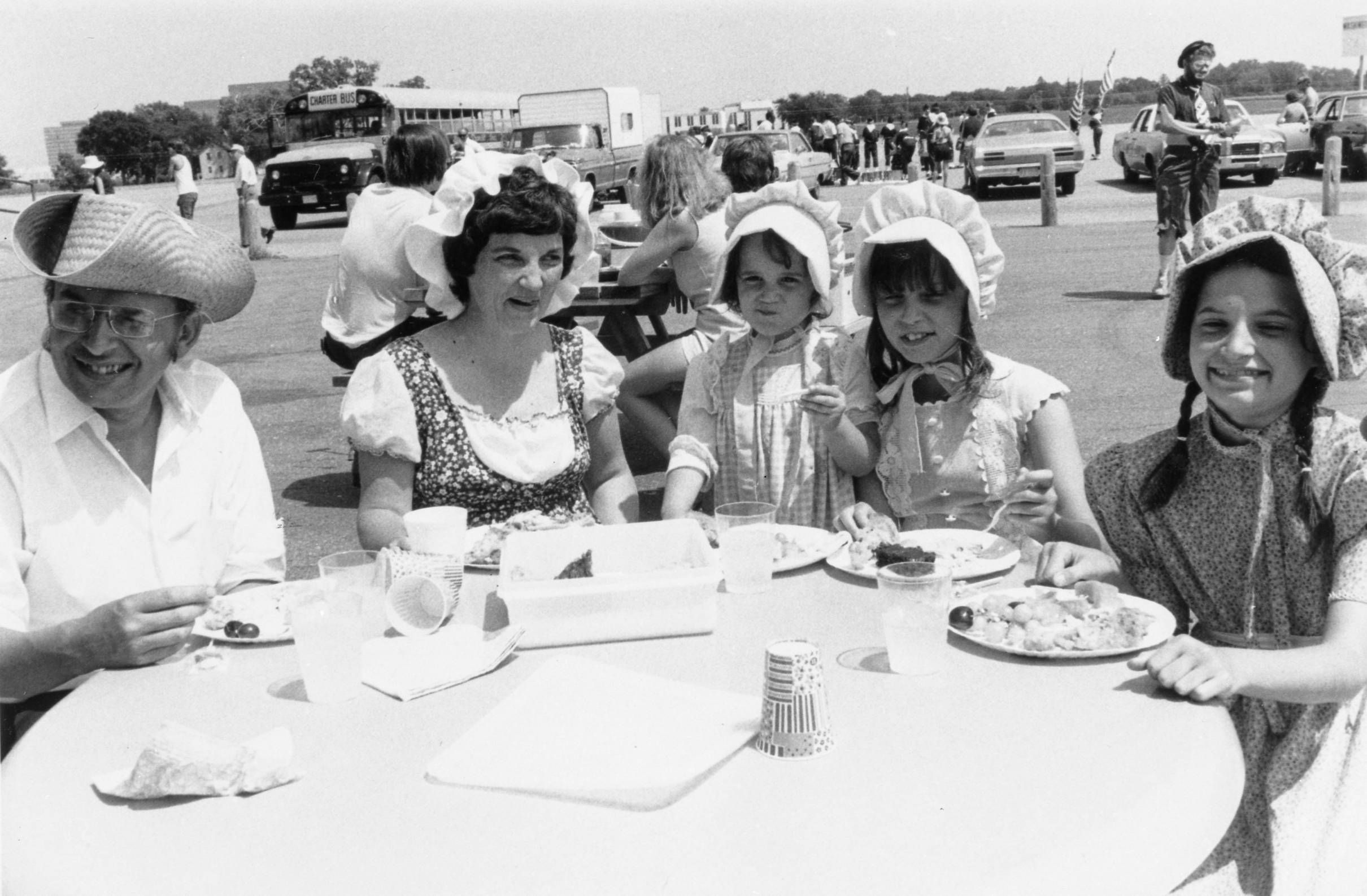
Filled with rich archival footage, stories of community involvement, and delightfully "only-in-the-70s" moments — including a Bicentennial-themed Minnesota State Fair jingle that still hasn’t left my head — Summer of ’76 offers a fascinating look back at a uniquely American moment.
Whether you're revisiting memories of the Bicentennial or discovering this chapter of history for the first time, you won’t want to miss Summer of ’76.